


Choosing the Wrong E-Signature Plan Could Cost Your Illinois Business Thousands with EzSignly
August 25, 2026 | Posted By Admin
E-signature Pricing and Plans
Summary
Choosing the wrong digital signing plan can quietly
cost businesses across the US through unused seats, missed deals, extra fees,
and compliance issues. The right online signing solution can simplify document
workflows while keeping costs under control. This guide highlights what
businesses should look for in a pricing plan to avoid overpaying or underusing
their subscription. By the end, you’ll know how to choose a plan that fits your
business needs and supports growth.
Introduction
Paper Approvals: In 2026, the process seems downright
embarrassing. If you print a contract, snail mail it and wait for your signer
to mail a signed contract back that you will eventually have to scan, you are
wasting an endless amount of time and money every single week. This is
especially true for us in Illinois, where we move at lightning speed on deals,
HR onboarding, and all of those time-sensitive vendor agreements that cannot
wait for your old-school way of operating. For this reason, learning about E-signature
pricing and plans Illinois is crucial because if you choose the wrong
plan, you could end up paying more than a membership fee. The plan you choose
matters, whether your firm has 5 people or 200.
How Illinois Companies Lose Time and Money Without Digital Signatures
A contract that sits unsigned in someone’s inbox for just three extra days can hold up a client’s onboarding, delay a payment, or even give a competitor the chance to close the deal first. Now imagine that happening across dozens of contracts every month—the lost revenue can add up fast.
And it’s not just about missed opportunities. There’s
also the cost of printing documents, paying for couriers, storing piles of
paperwork, and having employees spend their time following up for signatures.
So, while skipping a signing tool might seem like a way to cut costs, it can
actually cost your business much more over time.
Why "Free" Signing Tools Aren't Really Free
Many small firms start with a free or ultra-cheap
online signing tool thinking it'll cover their needs. It might work just fine
for the first month or two. But eventually, the limitations become clear. Maybe
you're hitting signature limits, can't save your templates, lose track of what
people signed, and find it doesn't work well with the other products your team
depends on. At that point, you've only got two horrible options ahead of you:
unlock some unexpected wallet pain or go out and look for another solution.
Switching also means retraining your team and uploading all your documents
again. So, while a free plan may look like a money-saver at first, the time and
operational hassle it creates can make it anything but free.
Overpaying for Enterprise Features You'll Never Use
On the other hand, some companies panic and jump
straight into the most expensive enterprise-tier plan, thinking it will be
safer. The option can be just as expensive in its own way. If you run a small
law firm or a local real estate agency, you probably don’t need advanced
technical features, unlimited admin seats, or complicated workflows built for
large corporations with hundreds of employees. You just need a simple, reliable
solution that fits the way your team actually works. Why shell out cash for features
that you'll never even touch? Imagine spending that dollar on marketing
initiatives, expanding your headcount, and boosting business growth.
The Paperwork Problem Growing Teams Often Overlook
Growing organizations often experience this pain during onboarding time! Before a new employee can receive an offer letter and begin the official onboarding process, NDAs, policy documents, tax information, etc. All need to be e-signed. A backlog of documents at a recruitment firm based in Chicago often means delays for new employees.
Companies that adopt eSignature software for
HR in Chicago have seen the typical onboarding process shrink in time
drastically by automating the HR document flow. This could mean eliminating
weeks or even days of having to chase signatures from new hires through email
and mail alone.
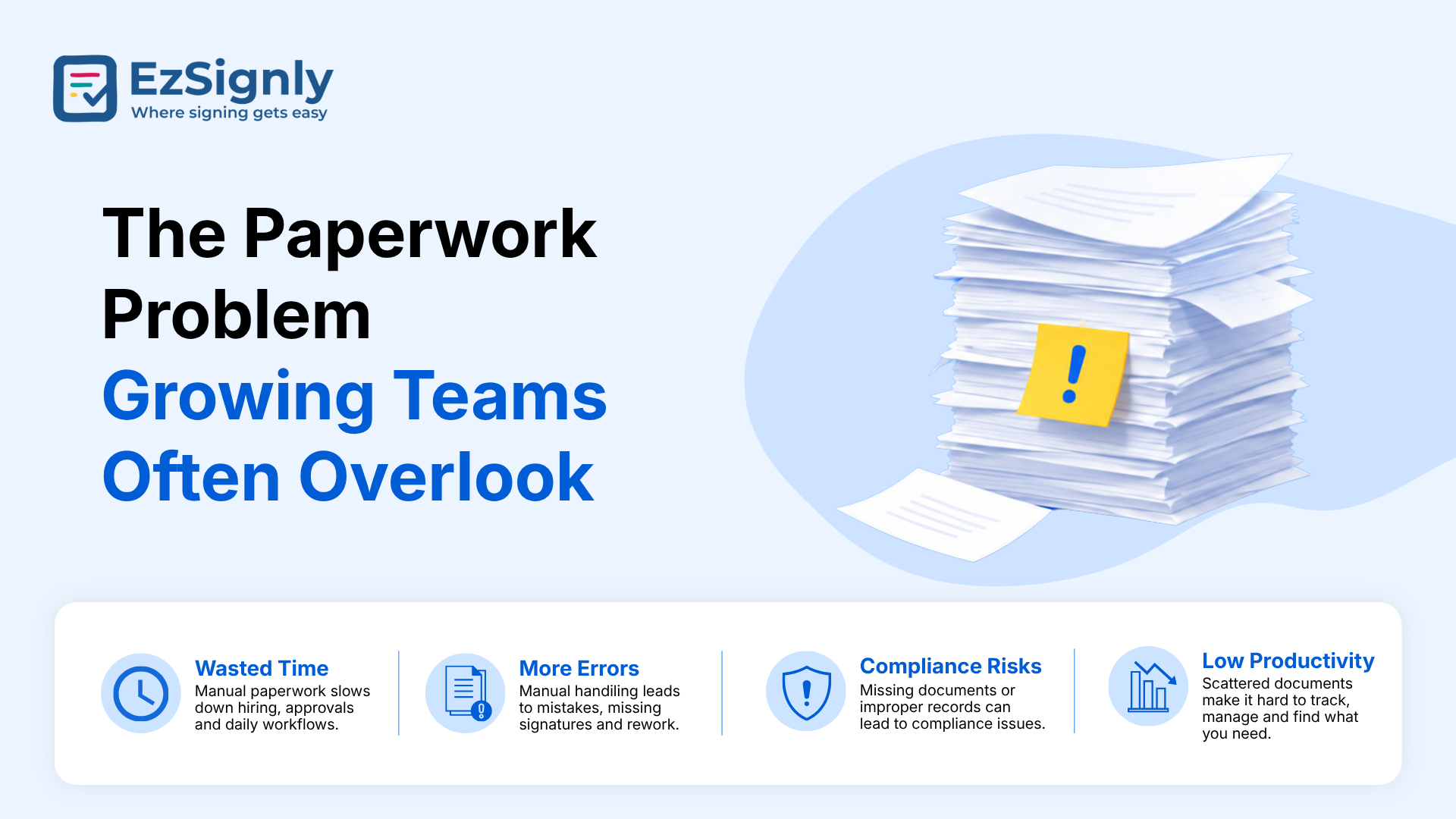
Best Electronic Document Signing
Real Estate Deals Can't Wait — And Neither Should Your Signing Process
Timing is everything in property transactions. A buyer
or seller who has to wait two extra days for a signed disclosure form might
walk away entirely. Agencies using eSignature for real estate in USA transactions
know that closing speed is often the deciding factor in a competitive market.
Every hour spent waiting on a wet-ink signature is an hour a rival agent could
use to close the same deal first.
Comparing Plans: What Illinois Firms Actually Need
Before picking any subscription, map out your real
usage. So, do you know the average number of documents that you send in a
month? Do you need multiple team members signing in parallel? Consider if
you'll want access to templates, automated follow-ups, and integrations with
services such as Google Drive and QuickBooks. These kinds of questions can help
to ensure that you don't pay too much or too little in one go. Small and medium
businesses are unlikely to require a premium option, but it doesn't make sense
to remain in entry-level.
Is Your Signing Process Actually Legally Valid?
The ouch point is missed until the damage is done -
you may be holding nothing because online signatures are not always considered
valid documentation in a legal setting. Should you need to enforce the document
because of disputes, such enforcement only happens when the online signature
has an appropriate audit trail, time and date stamping, and identification.
Choosing a legally valid binding eSignature platform isn't
optional — it's the foundation that protects your firm when a contract gets
challenged down the line. Skimping on these features to save a few dollars a
month is a gamble most companies can't afford to take.
How EzSignly Gets Pricing Right for Illinois Firms
EzSignly was built around this exact problem —
matching plan tiers to actual usage instead of pushing everyone toward the most
expensive option. With flexible pricing based on document volume and team size,
firms only pay for what they genuinely use, whether that's a solo consultant
sending a handful of contracts a month or a full HR department managing dozens
of new hires. This kind of scalable pricing structure is what keeps Illinois
companies from bleeding money on tools that don't match their workflow.
Have any other questions? EzSignly's team is here to help!
Conclusion
The bottom line is simple: the wrong signing plan
doesn't just cost you a subscription fee; it costs you time, deals, and
sometimes even legal protection. Any-sized business in Illinois – be it a real
estate brokerage, an HR unit, or a startup consulting firm – must have a plan
customized for their document output as well as statutory requirements rather
than purchasing an all-purpose package. Before making a commitment, you should
gauge your signing output per month, employee size, and other legal dictates.
Such a study on your part can significantly reduce overall costs and help
maintain efficiency in this crucial paper trail process.
FAQs
1. How do I know which e-signature plan size is right for my Illinois firm?
A: Start by tracking how many documents you send for signature each month and how many team members need access. A plan that matches this real usage — rather than the cheapest or most expensive option — will save you the most money over time.
2. Should I consider anything besides sticker price when selecting a subscription?
A: Consider document counts per account, the number of seats/users allowed per month, available template space, third-party integration availability, and whether an audit trail and identity verification are standard or available as a paid premium for extra features. These aspects will make a larger difference than what you pay monthly or annually.
3. Can switching signing platforms mid-year cause problems for my company?
A: It can, mainly due to retraining staff and migrating stored documents. This is why choosing a scalable plan upfront — one that can grow with your firm — is far less disruptive than switching platforms later.
Take a look at the latest blog
Boost Productivity: Why Small Businesses Are Adopting Electronic Signatures
The smart way small businesses speed up signing and approvals.
January 27, 2026
Top Reasons Why It’s Time to Adopt eSignatures in Your Business
A Digital eSignature for businesses removes physical and geographical barriers. Agreements can be sent, reviewed, and completed from anywhere, at any ...
January 13, 2026
What Businesses Expect from AI-Powered eSignature Software in 2026: Book a Demo
AI eSignature tools in 2026 automate signing, boost security, and streamline approvals. “Book a Demo” shows it in action.
June 22, 2026
How Digital Signatures Improve Security and Compliance in Legal Documents
Digital signatures enhance legal document security while meeting compliance standards through secure authentication and audit trails.
January 27, 2026
Have any other questions? EzSignly's team is here to help!
© 2026 Copyright EzSignly. All Rights Reserved